

What are healthy alternatives to sugar?
WILDFIT weighs in on sugar alternatives

How our sweet tooth became a problem
From a very young age, we receive a simple yet powerful message from nature: sweet-tasting things are safe, but bitter could be fatal.
Unfortunately, in our current day and age, this survival adaptation has been reversed, and from a young age, we lean towards sweet tastes to the point of excess, illness, and disease.
The issue with refined sugar
Refined sugar is not an ideal food source because nature never creates anything in isolation. One of the biggest health issues with highly processed foods, extracts, and isolates is that they are elements of once-natural products that the body cannot fully understand, digest or assimilate properly.
In the Dominican Republic, it is common to see snack vendors pushing wheelbarrows full of sugarcane down a busy street.
This treat is chewed to release the sweet juice containing loads of antioxidants, calcium, magnesium, iron, and other electrolytes which are great for dehydration created by the hot sun.
It also contains fiber and vitamins B1, B2, B6, and C to help fully digest and assimilate the juice. However, once that same sugarcane has been mashed, the juice drained, boiled multiple times, crystalized, and bleached it becomes devoid of nutrients and fiber.
Without ample fiber, the body digests and absorbs it quickly, and without the proper nutrients, it becomes acidic in nature, and nutrients are pulled from the body to buffer its effects. Rather than enjoying a nutritious piece of sugarcane over 20 minutes, we often consume up to five times the quantity of refined sugar in a matter of seconds in a cold soda or iced tea. Each step away from a sweet food’s natural form decreases nutrient value and increases its ability to harm the human body.
If we are always going to have a natural affinity for sweets and want more variety than just whole fruits, which are the best sweeteners for us?
“Hello, I’m Rana Ajmi
I’m not just a health enthusiast — I’m your dedicated partner on your journey to discover food freedom and live a healthier, happier life.”
 Certified WILDFIT® Coach


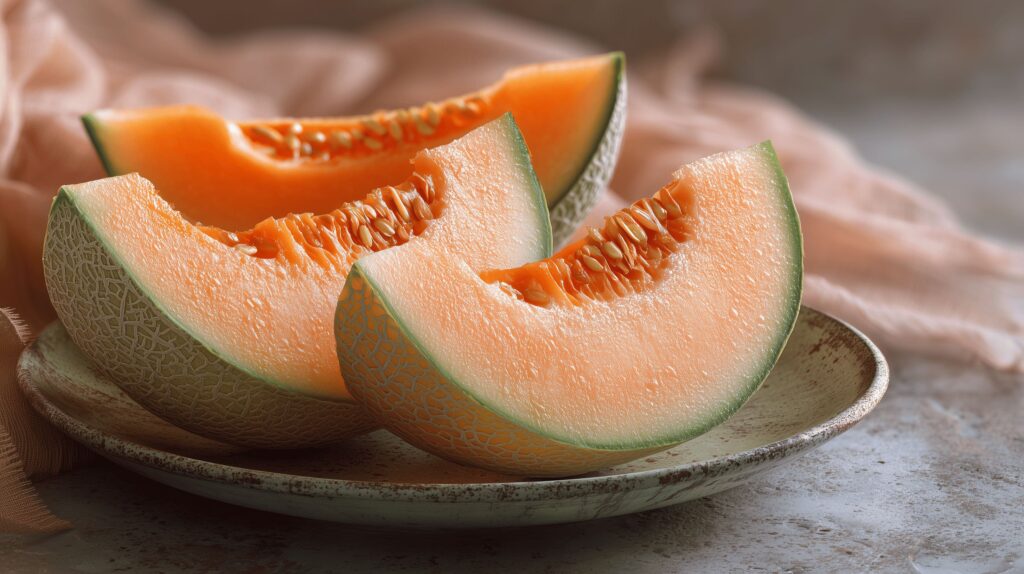
The different types of sugar alternatives
Artificial Sweeteners
As the name indicates, these are sweeteners created in a lab that the body does not recognize, and so it is thought that these products like aspartame, sucralose, and saccharine pass straight through the body without being metabolized.
They work by triggering the same sensory cells in our taste buds that send signals to our brain when we taste something sweet, usually 200 to 20000 times sweeter than sugar.
This enormous sweetness can create more cravings, heighten sensitivity to sugar, and so may actually increase weight gain over time. As they aren’t absorbed by the body, the residues often sit in the gut where they feed bad bacteria and upset gut biota. So, although it may seem like a great option, they seem to do more harm than good.
Sugar Alcohols
The sugar alcohols (polyols) are naturally found in some fruits, but they also show up as human made, lab created extracts in our food products listed as erythritol, mannitol, sorbitol, xylitol, lactitol, maltitol, etc.
They are less sweet than sugar and also contain less energy (calories) per gram. These polyols are only partially digested and absorbed in the small intestine, so they travel to the large intestine where they may be fermented by bacteria and leading to gas, bloating and diarrhea, as a lot of water is needed to pass them out of the body.
Erythritol is the sugar alcohol we see most often these days, and it is likely the most benign. However, it is created through an industrial process in which corn starch is used to create a sugar substrate, which is then sprayed with a yeast or fungus that digests the sugar and secretes the final product. Yummy.
Novel Sweeteners
This category is for sweeteners derived from natural fruits, leaves, and grasses that are then highly processed to produce extracts like trehalose, tagatose, allulose, steviol, and Luo Han Guo (monk fruit) extract.
They vary in sweetness and calories, however, like refined white sugar, they are largely unrecognizable to the body.
For example, monk fruit is 200 times sweeter than table sugar with no calories, and so if the fruit is simply collected, mashed, and the juice extracted it would be a great alternative.
However these fruits are expensive to grow and export, so the extraction process has been made chemical and additives are used to make the final product stretch farther.
In a similar way, stevia leaf, which is 300 times sweeter than table sugar, becomes stevia extract, pure stevia, Rebaudioside A, Reb A, or steviol glycosides.
This is done in a highly industrial process using toxic chemicals and artificial chemical enzymes such as methanol, kerosene, alcohol, chlorine, ash, acids, titanium dioxide, arsenic, preservatives, chemical stabilizers, and emulsifiers are used to create the final product we see on supermarket shelves.
Allulose, the newest member of this crew, is an extract with about 70% of the sweetness of sugar and only 3% of the calories, plus no bad aftertaste or negative digestive effects.
It is produced using wheat or corn that is broken down into starch and fructose, then the fructose is converted to allulose via an enzymatic conversion process using a genetically engineered microbe. I suppose with everyone going low carb food conglomerates need to do something with all their excess grain!
Natural Sweeteners
These are sugar sources that haven’t been stripped of all their nutrients in a refining process or had chemicals used in the extraction process. Some that we commonly hear about are honey, maple syrup, coconut sugar, date sugar, agave syrup, yacon syrup, sorghum syrup, sucanat, and molasses.
These sweeteners have varying levels of nutrition and health benefits, although most have been processed through boiling and concentration with the exception of raw, unfiltered honey.
These are overall our preferred sweeteners, as they are largely intact so the body understands what they are, they contain fiber, minerals, vitamins and other phytonutrients to buffer the effects of the sugar, and they are not too sweet so our taste buds can communicate when you’ve had enough.
Clever marketing does tend to still get in the way and give the impression that all of these products are created equal.
For example, Agave syrup has been produced traditionally for thousands of years in North America, with native peoples draining the sap from the succulent plant’s leaves and boiling it down into syrup. About 25 years ago it became available on the global commercial market and as it gained popularity and the race to produce it more cheaply began.
Now in the commercial production of syrup, liquid from the agave plant is put through multiple steps of manufacturing. These include an enzymatic conversion process using enzymes derived from aspergillus niger (black mold) to convert inulin (fiber) into fructose.
Fructose is a major culprit in the rising incidence of type 2 diabetes and nonalcoholic fatty liver disease, so too much of this nicely branded “natural” product becomes essentially the same as using high fructose corn syrup.
Unfortunately, this degradation process of natural sweeteners is very common, so it is always best to choose at least a middle of the line, organic products from small scale producers whenever possible. In our opinion, here are some of the best options!
Before you read on …
Since sugar seems to hide in almost everything we eat, I’ve got something helpful for you!
Never be fooled by sugar again. Sign up for my Hidden Names of Sugar Guide and take it with you the next time you shop for grocery.
Sign up for your FREE guide on my website!
6 WILDFIT-Friendly Sweeteners
1. Date paste or banana puree
These are unrefined, pureed fruit which can be used to sweeten smoothies, raw desserts and baked goods. Neither will dissolve into a mixture but rather will add texture and moisture to the recipe. If using for baking, substitute an equal amount of sugar, but cut back other wet ingredients to compensate.
2. Date sugar
Made from pitted, dried dates, this whole food powder is a great granulated sweetener alternative for sugar. It can be used 1 to 1 in baking and raw recipes that don’t have a lot of room for extra moisture. Of course, as it is tiny pieces of dates, it does not dissolve, so it is not an ideal option for liquids.
3. Honey
Humans most ancient sweetener, if you are going to use a liquid gold syrup honey is the way to go. Be sure to choose raw, unpasteurized honey, as when honey is heated past 40 degrees Celsius most of its nutritional properties are destroyed and it becomes slightly bitter tasting and arguably bad for you. For this same reason, honey is best used in raw desserts or drizzled on granola, smoothie bowls, salad dressings or in cold drinks. For every 1 cup of sugar on a recipe, substitute ⅔ cup of honey.
4. Stevia leaves or monk fruit
If you have access to the actual stevia leaves or concentrated monk fruit powder, these can be great alternatives for diabetics and those looking for lower calorie options. They cannot be used as easily in baking, but rather are good for sweetening drinks, smoothies, sauces and salad dressings.
5. Maple syrup
A concentrated tree sap that contains inulin, a fiber that acts as a prebiotic that encourages the growth of beneficial bacteria in the gut. It also contains an abundance of trace minerals, B vitamins and phytonutrients that are supportive of this natural sugar’s digestion process.
You can use ¾ cup of maple syrup in place of one cup of sugar. This is a great alternative for higher heat and baking. Use the same amount in place of sugar, but be sure to reduce the amount of overall liquid in the recipe by about three tablespoons for each cup of maple syrup substituted. If maple syrup is not available where you are, yacon, sorghum or molasses syrups are great also.
6. Coconut sugar
Similar to maple syrup, coconut sugar is created by tapping a coconut palm tree to extract the sap, which is then boiled down to concentrate it. This granulated sweetener contains the minerals iron, zinc, calcium, and potassium, along with some short-chain fatty acids like polyphenols and antioxidants. It also has lots of a fiber called inulin, which may slow glucose absorption and creates a lower glycemic index
Overall, we need to remember that at the end of the day, it’s all still sugar. Being aware of this, we can still occasionally use natural sweeteners to create baked goods and snacks to increase the variety and provide alternatives to more conventional options.
Do you want to take your health further?
If you’re committed to staying in tune with your body so you can operate at peak performance levels, and have more joy and vitality, please reach out to us —we’re here to support you.
We have the ability to fundamentally change the outcome of our health, vitality, joy, and well-being.
Find out how: Listen to Eric Edmeades, my mentor and creator of WILDFIT, explain how self-care for your individual health is possible.
Ready to start your
self-care journey?
If you are interested in doing this together, register for my next WILDFIT® Program.